
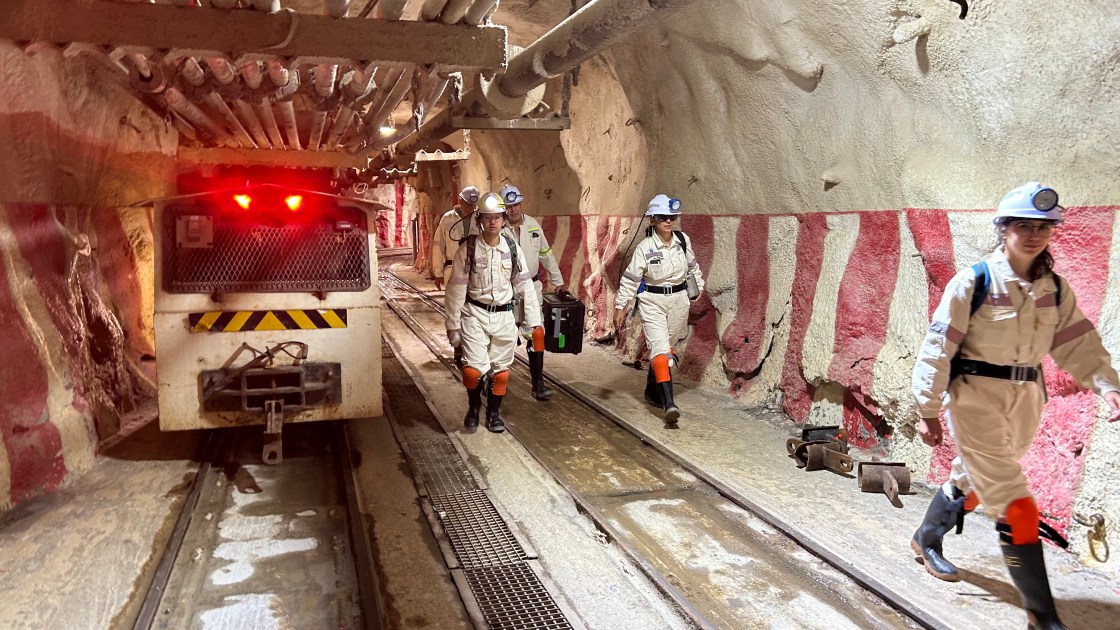
Deep ecosystems comprise various environment, from deep seafloor to continental aquifers. One of the common parameters of these ecosystems is the absence of light, which is a key component for the generation of O2. However, recent findings have highlighted light-independent biotic and abiotic processes of O2 production.
This biological “dark oxygen production” is carried out by microorganisms able to perform nitric oxide or chlorite dismutation. Our group recently detected these specific metabolisms in ancient deep aquifers in Canada, supporting aerobic communities in this remote and apparently anoxic environment.
Our team is interested in seeking how widespread these microorganisms are. Are they present in other seemingly anoxic, deep ecosystems? What are their contributions to the geochemical cycle, notably regarding the nitrogen cycle?
To answer these questions, we are using a combination of multi-omics analysis, isotopic geochemical measurement and physiology approaches. This interdisciplinary project is supported by the Human Frontier Science Program, in collaboration with the groups of Beate Kraft and Jordon Hemingway .
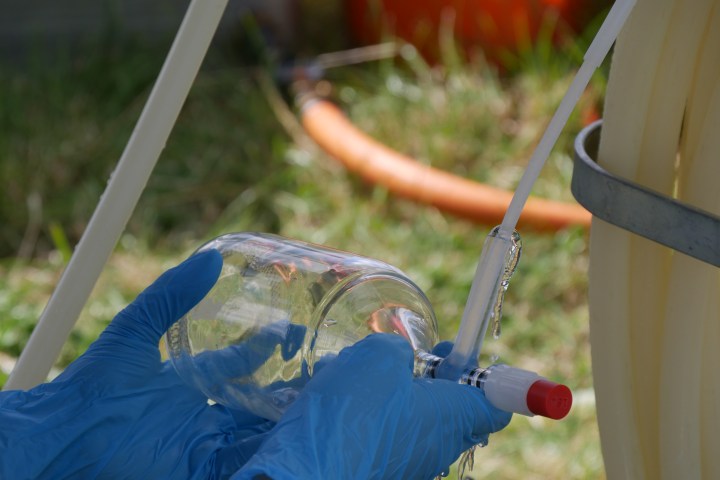
In summer 2024, our team and an international group of scientists, descended into the Moab Khotsong gold mine in South Africa. One of the deepest levels, at a depth of 3.2 km, contains 1 billion years old O2-containing hypersaline fracture fluids. Samples were retrieved for a wide range of analysis. We took samples for isotopic analysis of dissolved O (18 and 17) and of the water molecules to determine the origin of the oxygen, as well as 14C and noble gases to confirm the age of the fluids. To identify the microbial population living in this system, samples for multi-omics analysis were also taken. Finally, physico-chemical analyses will also be carried out on these samples to determine which chemical species are present within the fluids.
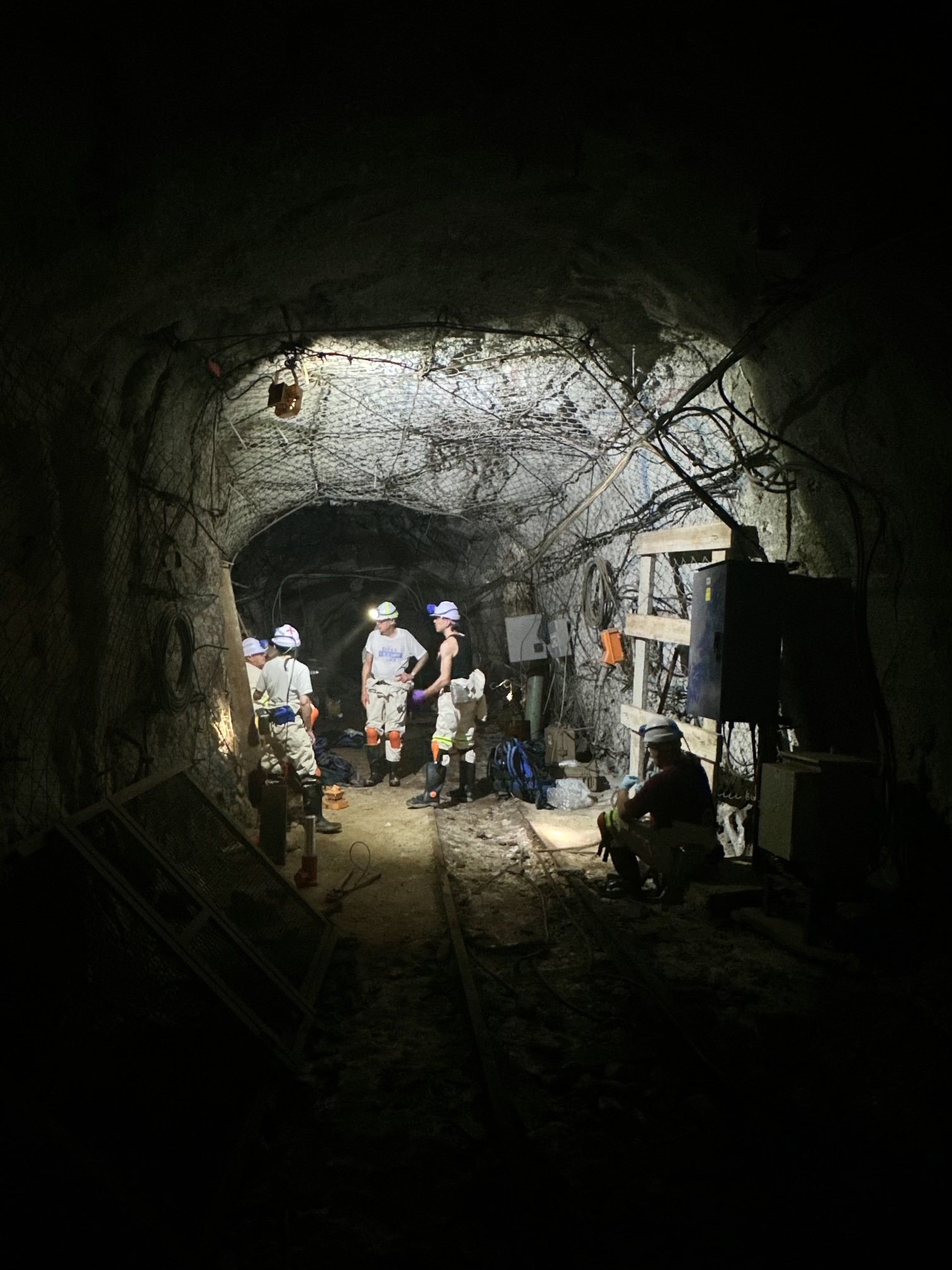
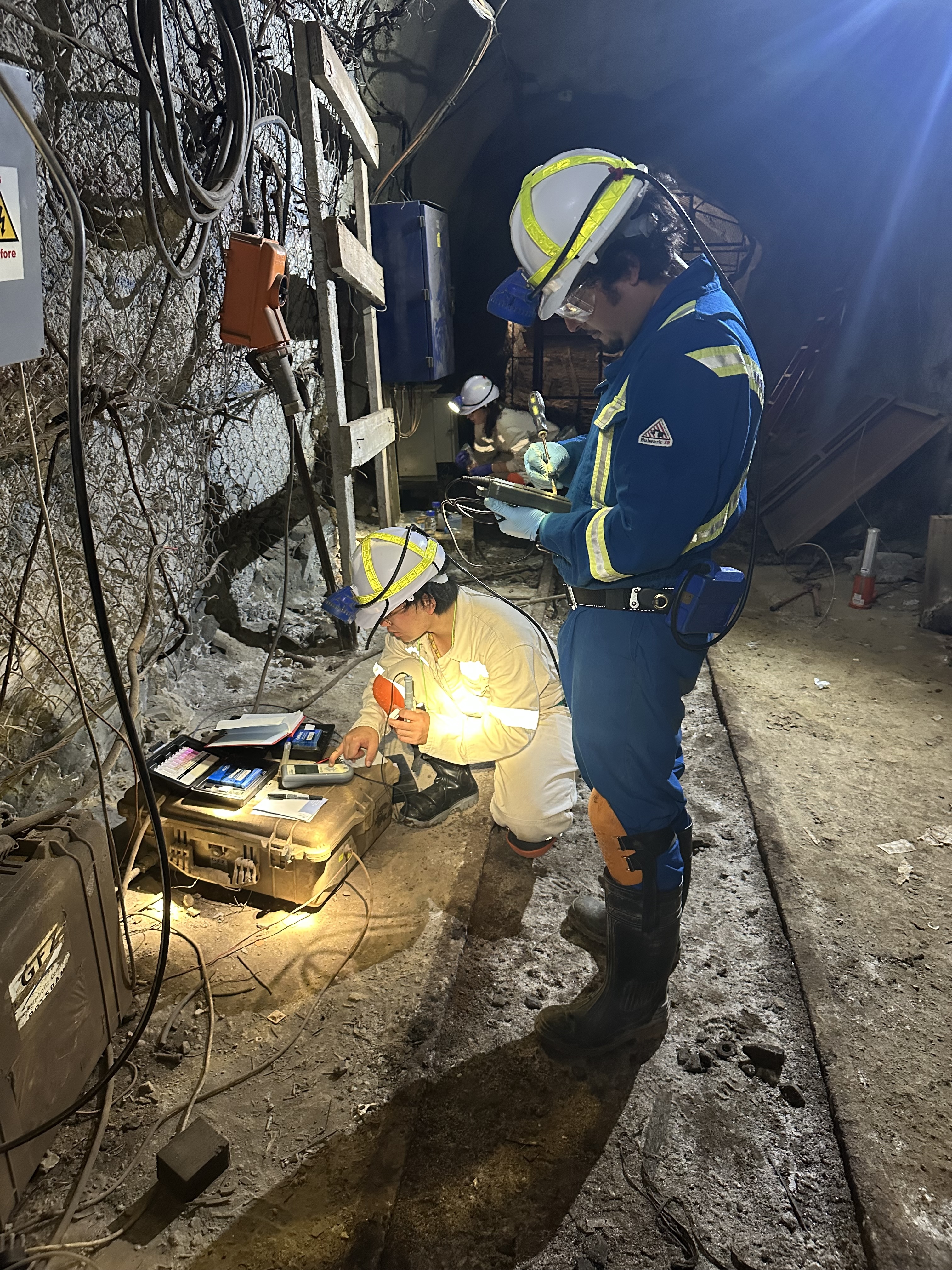
Left: Sampling site in the Moab Khotsong mine ; right: Fatima Ruiz-Blas and Julio Castillo taking measurements (Photos: Tania Muino)
 Ruff Lab